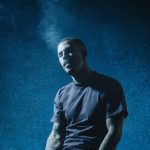





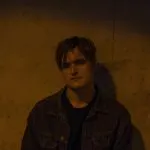






Belgian artist Alex Tolm approaches music like a private room for reflection, resulting in engaging creative expression that’s unique and meaningful in equal measure. Through his sonic output, he’s built his world around songwriting as storytelling, a place where memory, atmosphere and experience can be translated into sound. That perspective gives his music an intriguing sense of patience that glides into the slower emotional context that often arrives with time.
His creative language stands at the crossroads of classic chanson and modern alternative pop; poetic writing meets modern production, while intimate lyricism is framed by cinematic textures. The result is music that trades in intricate details and Alex Tolm seems drawn to the moments many artists overlook from a pause after conversation to the heaviness of distance or the way ordinary spaces can suddenly feel charged with memory.
That background now finds its fullest expression on his debut album titled Présence Absente, an eleven-track record that presents the perfect run through of his sound. Released as a personal creative project shaped by a wealth of life experience, the release examines the delicate border between physical presence and emotional absence. It asks what remains when people, places or versions of ourselves drift further away and why certain connections continue to live inside us long after they have changed form.
Alex has also established his own label, BXL Midnight Records, creating a home for his musical output on his own terms. Présence Absente plays out as a piano-led journey through absence, memory and the human habit of holding onto things that no longer exist in the same way. Across the record, he blends art pop with dreamy dark pop textures, creating an atmosphere that feels atonce nostalgic and strangely calming.
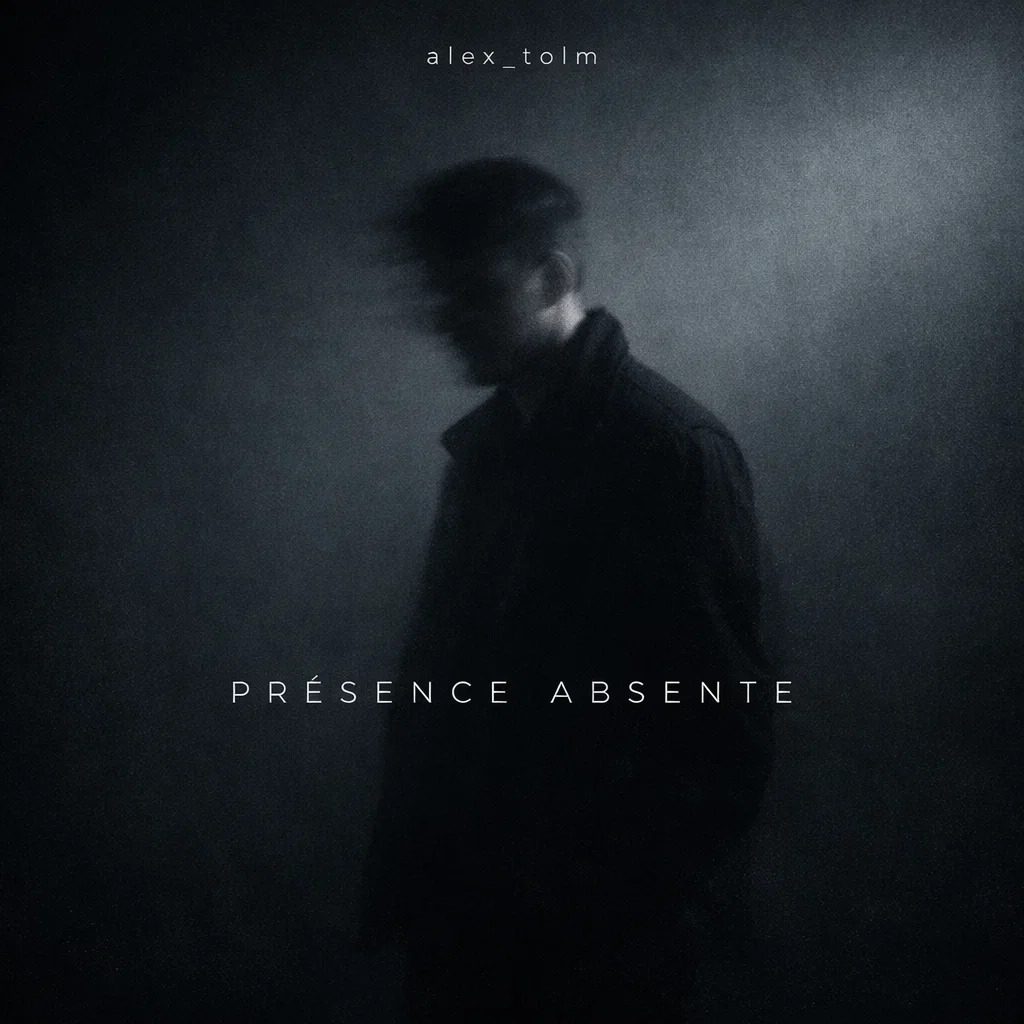
One of the key themes shaping the release is what he calls Cerebral Cinema, distilling the idea that music should function as the soundtrack to a film that does not exist on screen, but inside the listener’s mind. It’s a highly compelling framework that explains much about the album’s construction and while profoundly personal in origin, the songs remain open enough for listeners to project their own stories into them.
“Ombres en boucle” opens with hushed vocalisations and twinkling piano notes, building with emotive vocal leads as the downtempo snap of the beat injects a steady forward motion. Expanding with pulsing synths and belted vocal leads, it’s an anthemic electronic pop outing that’s infectious and powerfully moving from start to finish. “Danse sans moi” rolls with bubbling synth elements and moody vocal leads as the crisp punch of drums carries the energy to serve up a catchy alternative pop jam brimming with danceable vibes.
Tracks such as “Pardon, j’parle tout seul” highlight the album’s intimate side, drawing listeners closer to Alex’s contemplative voice with tender piano backing and achingly emotive vocal leads. “Notifications vides” brings playful flutters of stuttering synths and grooving rhythm to lay down an instantly catchy moment that’s intoxicating and energising from start to finish.
“À côté de moi” flows with mellow groove and stacks of atmospheric instrumentation as smooth vocals hover above while the title track “Présence absente” is formed with soft rhythmic structure and dreamy arrangement, progressing through moments of deep low end energy and passages of mesmeric melodic bliss. Closing the album with the bonus track “Larmes mécaniques,” the full impact of the album’s cinematic tone comes into sharp focus with dark orchestration, pounding drums and commanding vocal leads backing by a choir of voices casting an engrossing finale to the release.
We caught up with Alex Tolm to find out more about his musical journey so far, his debut album Présence Absente and what he’s got lined up for the future. Check out our interview with Alex Tolm below.

What’s your earliest memory of making music?
I began studying music theory and classical foundations when I was eight years old. However, for many years, I didn’t play or create at all. My earliest memories are of the structured beauty of the masters like Bach and Mozart, but it took a long hiatus for me to find my own voice. Coming back to music later in life felt like rediscovering a lost language
Which artists do you draw most inspiration from?
My inspiration is a bridge between the past and the present. I carry the harmonic weight of Rachmaninoff and Vivaldi from my youth, but I combine it with the storytelling of French Chanson and the modern brilliance of Stromae. I don’t see myself as a ‘performer’ or a ‘pianist’, but rather as an architect who uses these influences to build a specific mood.
How else do you find inspiration for your music?
Besides the urban solitude of Brussels, I find great inspiration in ethno-music and global rhythmic patterns. They bring a raw, human element to the studio. My work is an attempt to translate the nocturnal architecture of the city into a global, sonic language.
What do you love about the Belgian music scene?
I love the privacy it allows. By day, I work in public service, bound by professional structures and rules. By night, Brussels allows me to disappear into the studio. This contrast between the structured day and the total creative freedom of the night is the heartbeat of my label, BXL Midnight Records.
What would you say is the perfect setting for listeners to enjoy your sound?
Since I am strictly a studio artist and not a stage performer, my music is engineered for an intimate, solitary listening experience. It’s for the late hours when the world is quiet. It’s an invitation to a private, internal cinema where you can reflect on your own story.
How has your own style and sound evolved since you started out?
The biggest change is that I’ve stopped trying to ‘play’ music in the traditional sense. After years of silence, I’ve returned to music as a producer. My sound has evolved into a minimalist ‘Cerebral Cinema’. I focus on the ‘architecture of absence’—using electronic depth and subtle melodies to create tension, rather than technical displays.
How did you find making your new album ‘Présence Absente’?
It was a project of pure passion and rediscovery. Since I don’t rely on music for income, I had the luxury of time to experiment. I wanted to explore the paradox of the title: how something can be physically absent but emotionally overwhelming. It’s the sound of a mature creator returning to his roots after a long break.
Can you explain the Cerebral Cinema concept and how it shaped the album?
Cerebral Cinema is the idea that music should function as a soundtrack for a film that doesn’t exist on screen, but in the mind of the listener. For Présence Absente, this concept was the North Star. Every track was composed to evoke a specific visual texture—like the flickering light of a streetlamp or the grey stillness of a Brussels rainstorm. It shaped the album by forcing me to think in terms of ‘scenes’ and ‘lighting’ rather than just verses and choruses.
Did the studio process involve experimentation with sound design or unconventional recording techniques to support the Cerebral Cinema theme?
Yes, the studio became a laboratory for ’emotional textures’. I spent a lot of time on the contrast between the organic and the mechanical. I used the piano as the human heart of the record, but I often surrounded it with cold, synthetic soundscapes or ‘found sounds’ that mimic urban life. The goal was to create a sense of ‘stereo silence’—using sound design to highlight the emptiness between the notes, making the absence feel tangible.
Was ‘Présence Absente’ conceived as a full narrative experience from the beginning, or did the cinematic identity emerge during the creative process?
The cinematic identity was there from the first note, but the full narrative revealed itself as I moved through the ‘midnight hours’ of production. I realised I wasn’t just making a collection of songs, but exploring a single psychological state: that paradox of feeling someone’s presence more strongly because they are gone. Once that narrative clicked, the album became a journey through different rooms of a single, haunted house.
How did you approach production differently on this album compared to your previous work?
The biggest shift was moving away from the ‘performance’ and toward ‘architecture’. In the past, I might have focused more on technical play. For this album, I embraced my role as a studio artist who has returned to music after years of silence. I prioritized restraint. I allowed myself the luxury of time to let tracks breathe, often stripping away layers until only the most essential, cinematic elements remained. It’s a much more mature, considered approach to production.
What role did atmosphere and texture play in building the emotional world of ‘Présence Absente’?
Atmosphere is everything; it’s the air the songs breathe. Texture is what makes that atmosphere feel real. I wanted the listener to ‘feel’ the coldness of the synths and the warmth of the piano. By blending the late-romantic harmony of my early training with modern electronic melancholy, I created a world that feels both timeless and very contemporary. Texture allows the listener to step into the music, turning a simple listening experience into a 3D emotional space.
What’s the main thing you want people to get out of listening to your music?
A moment of pause. I want to offer a reflective space where listeners can connect with their own emotions. Whether it’s the poetic influence of Chanson or the grand scale of a symphony, I want the listener to feel they are part of a larger, cinematic atmosphere.
Do you have any advice for a new artist wanting to follow your footsteps?
It’s never too late to start again. You can build a professional, high-quality body of work even if you’ve been away from your craft for years. Protect your creative freedom and don’t feel pressured to be a ‘public person’ or a performer. In the studio, you set the rules.
Finally, what do you have lined up next?
I will continue to develop the BXL Midnight Records universe. I’m focusing on studio-focused releases that dive deeper into the intersection of classical influences, ethno-elements, and electronic melancholy. The hiatus is over; the focus now is on creating a lasting legacy of sound.
Listen to Présence Absente below
More from Albums
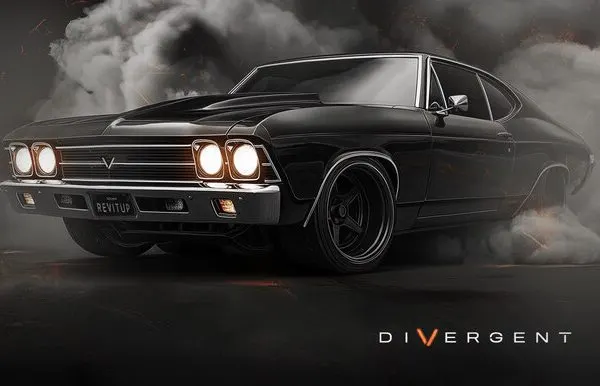
New full-length record from Divergent
While some musical ambitions take a little longer to find their moment, the journey for Iowa-based trio Divergent has been …
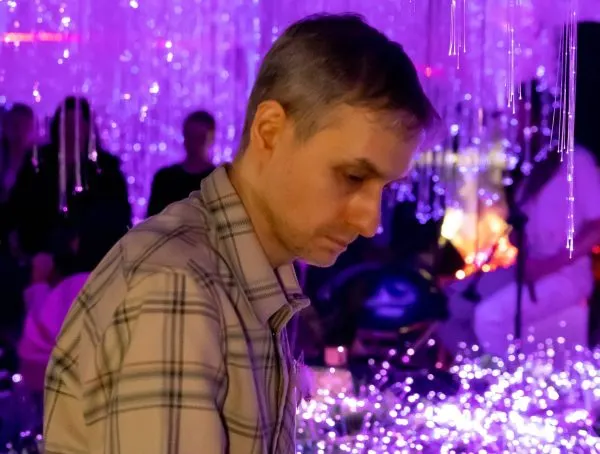
New album from Ashot Danielyan
Based in Moscow, pianist, composer and improviser Ashot Danielyan has spent more than a decade developing a musical output that …
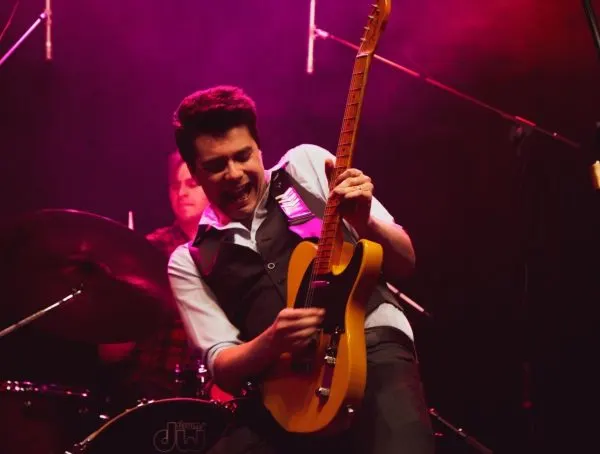
Bryan Howell returns with new studio album
Originally hailing from central New York and now based in Nashville, Bryan Howell has spent more than a decade developing …