
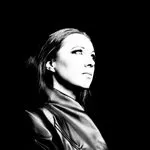


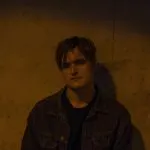






Hailing from Manchester, Liulf Lucifer is an artist whose work is driven by something far more profound than pop music expression. His music exists as a direct extension of his own experiences, shaped by personal frustration, emotional complexity and an ongoing search for understanding. He treats songwriting as a necessary process, a way of confronting what cannot be easily spoken and transforming it into something engaging where music becomes both outlet and realisation, a space where internal conflict is not hidden but examined in full.
His relationship with the world around has always felt slightly misaligned; approaching others with empathy and selflessness, he found those instincts were often misread. What he saw as openness was frequently treated as weakness, creating a pattern in which his willingness to give was used against him. That experience sits at the very heart of his perspective, informing both the emotional tone of his work and the themes he continues to explore.
A tension runs through his sound, shaping an output that encourages reflection not just to tell his own story but to prompt listeners to dissect their own roles within relationships. His journey within the music industry has only intensified that outlook and the process of establishing himself has been marked by challenges that extend beyond the expected struggles of an emerging artist. According to his own experiences, there have been deliberate attempts from others within the industry to undermine his progress and discredit his work but instead of being derailed, he’s absorbed those experiences into his creative identity, allowing them to inform rather than define him.
Last year, his sonic vision came into full focus with his debut LP, The Rhythm That Made The Beast, a record conceived as the first chapter in a two-part arc. Now bringing us the deluxe version of the album, across its sixteen tracks, he presents a detailed emotional map, tracing the experiences that have shaped him.
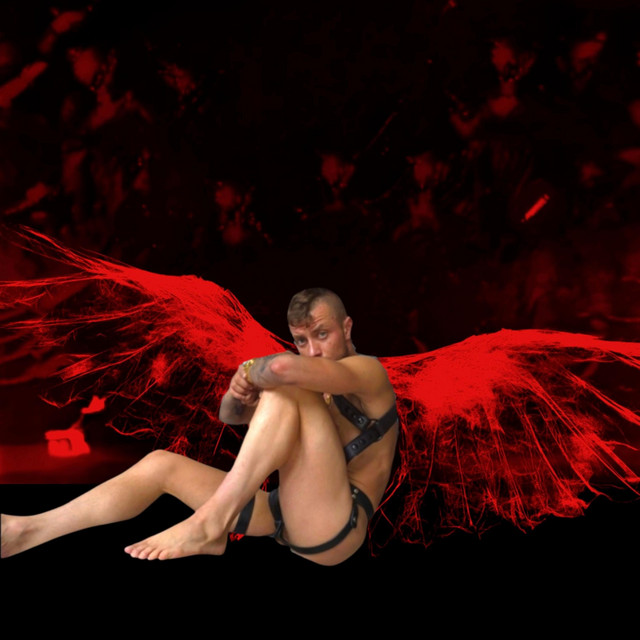
The record is immersive by design, inviting listeners to move through it as a complete piece rather than a collection of isolated songs and through rhythm and melody, Liulf Lucifer constructs a space where the past is not only revisited but reinterpreted, offering a clearer view of the person behind the music.
Set up by the muted vocal tones and soft instrumental textures on opening track “Not Scared Of Lonely,” the rattle of percussion builds up the energy before the drop brings a slick dance pop scene. Rolling with emotive melodic leads and pulsing synth-driven arrangement, it’s an infectious anthem that’s enveloping and euphoric in equal measure. “Rise Up” floats with airy vocalisations and gentle piano backing, taking listeners on a grooving musical experience brimming with uplifting melodic writing.
Tracks like “FOOLISH” flow with R&B-tinged vocal leads and bouncy rhythmic energy while “Wasting Precious Time” glides with punchy percussion, intricate plucked notes and slick, rap-inflected vocal work carrying poignant storytelling lyricism. With “Melody On Repeat,” a melancholic soundscape forms before the crash of striking percussion sets up a pulsing electronic pop outing packed full of driving low-end energy and moody vocal performance.
The Transformation Mix of title track “The Rhythm That Made The Beast” drifts into focus with sweeping vocals and synth tones, casting a moving sound of hushed vocals and ominous instrumentation before progressing with the pound of sparse percussion and expressive vocals, reaching a marching finale. Closing the album with “Whats Next,” Liulf delivers an uptempo conclusion where crisp beats and lively vocals combine to forge an instantly catchy final moment.
We caught up with Liulf Lucifer to find out more about his musical journey so far, his new album The Rhythm That Made The Beast Deluxe and what he’s got lined up for the future. Check out our interview with Liulf Lucifer below.
Hey Liulf, how’s things?
Things are going quite well, especially considering the momentum that began when I released my debut single, “What’s Next,” at the start of 2025. Looking back, it is truly surprising to see how music has transformed from a personal outlet into such a massive, defining part of my everyday life.
By that point, I had already spent about three years honing my craft and writing music. I’ve always found that the most effective way to express my true self is through lyrics; they provide a versatile canvas where I can be incredibly deep and vulnerable or switch to a more humorous and lighthearted tone. In the beginning, the process of making music was something I did genuinely for myself, without the pressure of an audience. Because of that private, experimental origin, my album was originally going to be titled “Just Playing.”
What’s your earliest memory of making music?
The first song I ever fully completed and would say I rewrote was “Fuck Em Right.”
This creative spark actually came from a negative experience during a night out when someone stole my Versace silk cap. I loved that cap; it was a key part of my personal style. When I later addressed the theft on social media, I used my way with words to describe the thief as the biggest scuff on earth in a humorous way.
However, my post hit a nerve with a stranger who began commenting on my social profiles. They tried to claim I was lying about how I dress just because I didn’t post every outfit online. Although it felt like petty drama, I was in the middle of moving house at the time and decided to channel that energy into my music. In response to those comments, I rewrote the song “Yikes” to fit my own version of events.
That experience taught me that putting someone in their place lyrically shuts them up in a way that regular conversation can’t. That moment truly marked my first real creation of music and set the tone for how I use my art to navigate and process life’s challenges.
Which artists do you draw most inspiration from?
Beyoncè, Nicki, Drake, Rihanna, Amy Winehouse… There are many artists that have influenced my love for music throughout my entire life. My earliest memories all have music built within them, serving as the soundtrack to my formative years.
Until June 2025, I would say Beyonce was my massive influencer. But after paying for the best tickets available, the experience at the stadium was incredibly disappointing. The staff wouldn’t take their eyes off Beyonce long enough to direct me to my seat. I had spent two years looking forward to this event, which I was attending on my own—a massive step for me, as I had previously missed out on experiences due to not having a companion.
It was in that moment of isolation that I realized there isn’t actually anybody else I would have wanted to be there with me anyway.
The whole trip cost me 4k, a sum I sacrificed so much to save. Despite this, I only got to see about 10 minutes of the show from my actual vantage point. Since then, I haven’t been able to listen to her music, though I still think she is an amazing artist.
But I think everything happens for a reason…
That was the turning point when I decided I wasn’t “JUST PLAYING” with music anymore. I realized I could use my art to explain my story in a way that will live on beyond me as a kind of lasting legacy. This revelation transformed my perspective, shifting my music from a hobby into a meaningful pursuit of purpose.
How else do you find inspiration for your music?
My primary source of inspiration comes from a place of resilience; it has to be every single person who has tried to get in my way of achieving a better life for myself. These obstacles have presented themselves in many ways, but the most significant realization was that many people simply do not share my perspective or values. Once I understood this, I decided I could no longer waste time trying to change people’s minds. Instead, I turned inward, using music as a sort of diary to process these experiences.
I learned through difficult lessons that going to people directly to discuss my feelings rarely achieved anything positive; in fact, it often provided others with the opportunity to use my vulnerability against me. With my latest work, I have focused on authenticity, trying my best to just go with what feels right for me at the time. As this project nears completion, I plan to reintegrate the sounds of other artists into my routine. My goal is to begin writing in various styles with the hope of pitching songs to other artists, yet I know that life will continue to provide enough inspiration through the ongoing lessons it teaches me.
What was your highlight of 2025?
The way I fell in love making music, wasn’t a year that did me any good other than discovering I might have a place in the industry. While 2025 was a challenging year in many ways, it was pivotal for my creative journey because it marked the moment I transitioned from just playing around with sound to realizing that I could explain my story in a way that will live on beyond me as a kind of legacy. Discovering that sense of purpose within the music industry was the true highlight, as it gave me the confidence to pursue music not just as a hobby, but as a meaningful path forward.
What do you love about the Manchester music scene?
I know it’s very diverse, but I haven’t had the chance to enjoy it really to be honest
What would you say is the perfect setting for listeners to enjoy your sound?
I would like to think that I switch it up enough for there to be many different settings. The rhythm that made the beast has more of a deep tone than the second part. But you would be able to guess that by the title of the album. The second Act will hold different genres of music to continue switching up the tone throughout so that it gives listeners a roller coaster of emotions, as that is what life is like. The goal is for the music to be versatile enough to fit various moods and environments. While the first portion of the project leans into those deeper, more visceral tones suggested by “The rhythm that made the beast,” the subsequent material is designed to transition into a more eclectic experience. By incorporating a wide range of genres, I hope to mirror the unpredictability of human experience, providing a sonic landscape that reflects the highs and lows of life.
How has your own style and sound evolved since you started out?
Guess you can say it has become darker, but I am inflicted with the curse of telling people how it is…hopefully if things start working out… il be able to afford the life i want to live that will make me have a happier truth to tell.
Who would be your dream artist to collaborate with?
Beyonce, obviously but am realistic. I would love if she was to do a version of the intro to my next act as it would fit in great if Rock is her next vibe
How did you find making your new album?
I found it great, wasn’t once I saw how all my singles could fit into place to create a sort legacy for myself. I think that change happened when I realised, ‘Not Scared Of Lonely’ I was on holiday on my own for the first time
What message did you want to get across with this release?
I wanted to put the narcissistic people in my life in their place. I think it’s more elegant than tearing off their face, given how many people that have tested my patience over the past 10 years of living in Manchester, the people who my songs are about know who they are. They know full well because of their ability to tell a story through my music. I may twist it up a bit so I can explain it in a way that won’t cause me to get in my feelings when I hear it.
This approach stems from a realization that confronting people directly often only gave them the opportunity to use my vulnerability against me. Instead, I have turned inward, using music as a diary to process these experiences and maintain my authenticity. By using my art to navigate and process these challenges, I can set the record straight in a way that regular conversation simply cannot achieve.
As this project nears its conclusion, my perspective has shifted from music being a personal hobby to a meaningful pursuit of purpose. I am now focused on using my art to explain my story in a way that will serve as a lasting legacy, moving beyond the rumors and the attacks to reveal the true soul behind the work.
What artist have you been listening to most recently?
I don’t listen to many new artist’s music really which probably makes me seem ignorant in a way but I am just busy and I wanted this album to be as much as possible for me as possible.
What’s the main thing you want people to get out of listening to you’re music?
Be extremely careful when stepping out into the gay community. Based on my experiences over the last decade in Manchester, I have found that there are often more people who will set out to hurt or exploit you than those who will genuinely support your journey. This reality informed my decision to use music as a protective diary, allowing me to process these negative interactions while maintaining my authenticity.
What’s been your favourite live performance so far?
While I haven’t yet had the chance to fully immerse myself in the diverse Manchester music scene, my creative turning point came during a solo trip where I realized I no longer needed a companion to enjoy experiences. This sense of independence is now being woven into my live sound, particularly as I transition into the second act of my project.
Who would be 3 artists to headline your dream festival? And where would it be?
My dream lineup would be rooted in my lifetime influences: Beyonce, Nicki Minaj, and Drake. Ideally, this would take place at a venue where the staff
Listen to The Rhythm That Made The Beast Deluxe below
More from Albums
New full-length record from Divergent
While some musical ambitions take a little longer to find their moment, the journey for Iowa-based trio Divergent has been …
New album from Ashot Danielyan
Based in Moscow, pianist, composer and improviser Ashot Danielyan has spent more than a decade developing a musical output that …
Bryan Howell returns with new studio album
Originally hailing from central New York and now based in Nashville, Bryan Howell has spent more than a decade developing …