







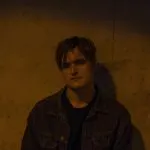












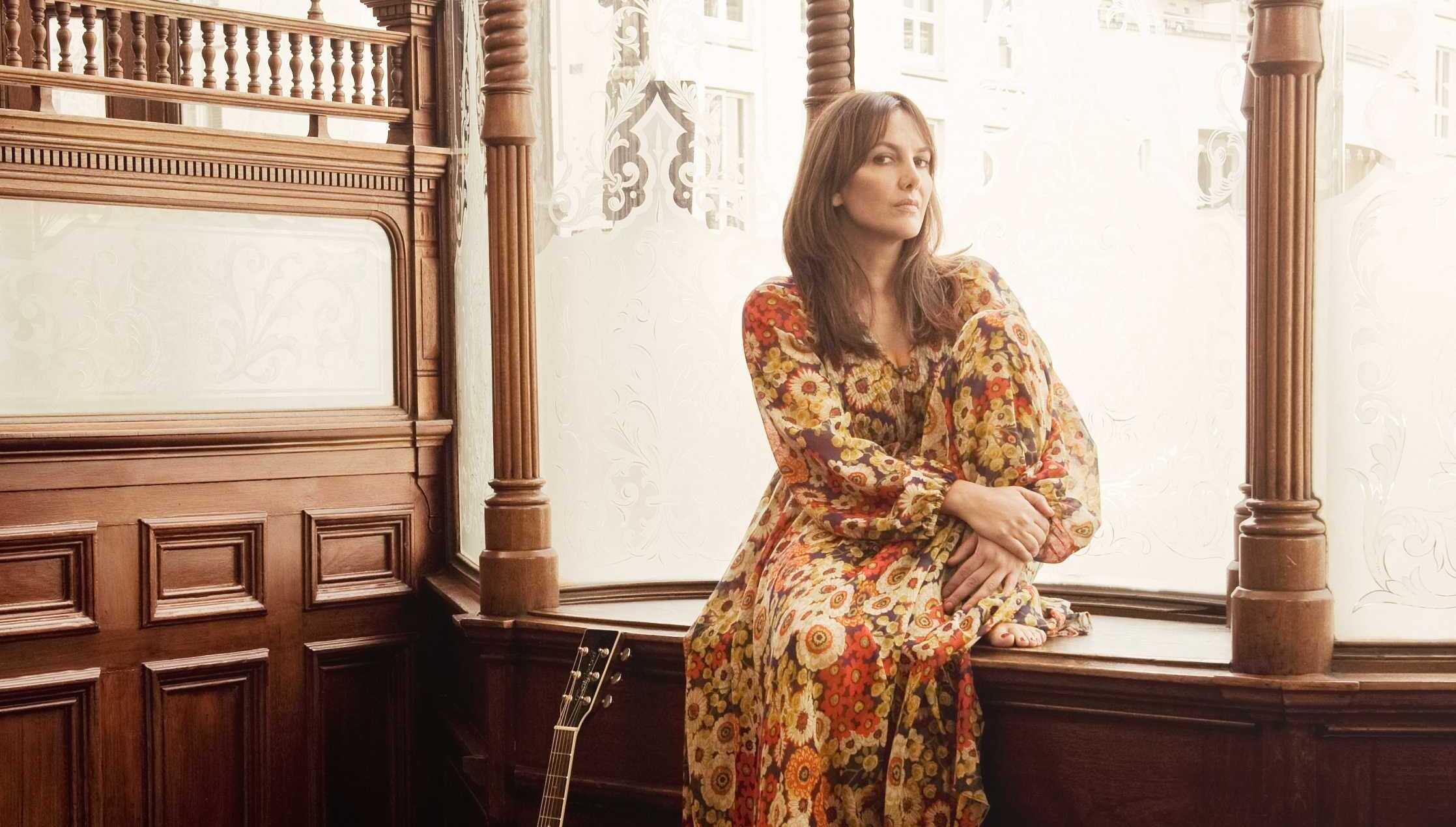
Layla Kaylif is an artist who moves in arcs, drifting between cultures, sounds and emotional states to capture her original musical vision. Based in London, the English-Arab singer-songwriter has long existed in a space where Western pop styles meet a broader, globally influenced sound, resulting in that music shifts, develops and re-forms, carrying fragments of different worlds within it.
Her first major moment arrived in 1999 with “Shakespeare in Love,” a track that travelled widely across Asia and beyond, introducing her as an artist capable of pairing melodic appeal with something more poetic. Lifted from her debut album Enough Rope, the single hinted early on at her knack for creating songs that feel personal while still connecting with countless listeners around the world.
Over the years that followed, her work has been informed by a desire to explore rather than repeat and across more than two decades, she’s continued to write and release music that reflects different stages of her creative life. At times, her sound leans into the elegance of classic pop and elsewhere, it opens up into the story-driven textures of Americana. That sense of movement was evident in her 2020 record Lovers Don’t Meet, where she explored Americana influences through warm arrangements and thoughtful songwriting.
More recently, she returned to a more atmospheric palette with “God’s Keeper,” a track that reconnected with her earlier pop sound while incorporating subtle Middle Eastern elements. “Closer” introduced another layer of atmosphere, while her reinterpretation of “I’m Afraid of Americans,” originally by David Bowie and Brian Eno, saw her engage with existing material in a way that sits within her own perspective.
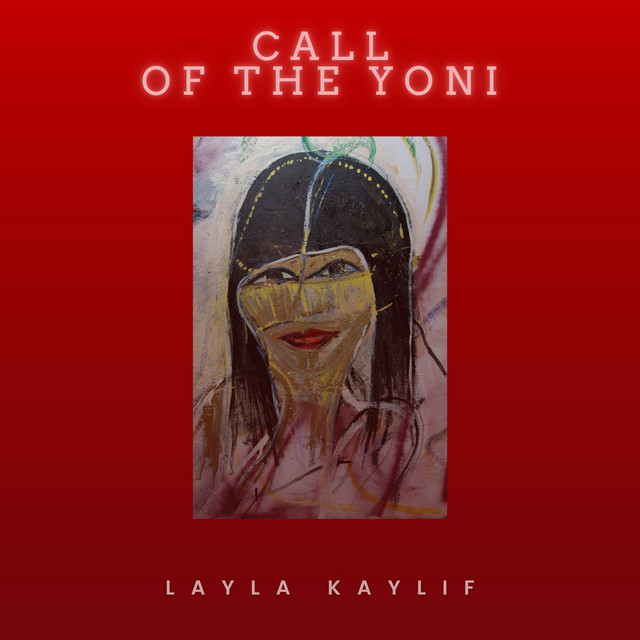
Now she brings us her latest release with her new album titled Call of the Yoni, a seven-track outing designed as a continuous experience than moves through a sequence of themes including sensual invocation, erotic-spiritual love, exile, devotion, rage, power and return. She describes it through the idea of a “7-in-1 woman,” a journey through different emotional and energetic states that together form a larger whole.
The title track “Call of the Yoni” acts as a point of entry into the album’s wider framework, setting the scene with the flicker of acoustic guitar notes before the shuffle of percussion and pulse of bass ushers in Layla’s bright vocals and dancing flute lines. Flowing with gritty guitar textures and moments of cinematic, orchestral-focused arrangement and overlapping vocals, it’s a superb showcase of Layla’s highly unique sound.
At once a prayer and a love song, “My Lover Is a Saint” starts with intimate spoken word vocals before shifting into a mesmeric groove of pattering drums and atmospheric textures as Layla’s expressive vocals glide alongside fluttering instrumental flourishes. “God’s Keeper” leans into her alternative pop side with a punchy rhythm and moody vocals, forming a danceable jam that rolls with gripping energy, engaging instrumentation and instantly memorable vocal leads.
Songs like “Everyone Is a Stranger” presents a delicate moment of piano-led backing and tender vocals while “The Bride Is Beautiful (But She’s Married to Another Man)” sways with mellow groove, catchy vocal lines and storytelling lyricism. With “Night Journey,” she casts a dreamy scene with elegant instrumentation and misty vocal performance, forming a stunning soundscape that balances vintage pop vibes with modern aesthetic. Closing the album with “Hallelujah,” she delivers a cover of Leonard Cohen’s beloved classic reimagined with Arabic lyrics to present a spectacular collision of musical and cultural spheres.
We caught up with Layla Kaylif to find out more about her musical journey so far, her inspirations and her new album Call of the Yoni. Check out our interview with Layla Kaylif below.

Hey Layla, how’s things?
Busy!
What’s new since we last spoke in January?
Just the usual — juggling a lot at once.
What are some of the musical influences that have shaped your sound?
Today, I’ll go with Sting.

What’s your creative process like when working on music?
Lately, I’ve been experimenting with AI — feeding my lyrics into tools like Mureka and prompting it to generate ideas. I’m not a purist, so I’m open to what it suggests in terms of melody and arrangement. Of course, I’ll always take it into the studio and record it properly, but it’s a great creative tool.
How does your environment or hometown influence your songwriting and overall sound?
I tend to write in between consuming things — watching and reading a lot online. I’m drawn to esoteric topics, Jungian ideas, and, I’ll admit, tarot readings… a bit of a guilty pleasure.
What was the first song you ever wrote?
Love in Absolutes.
What are your three favourite albums of all time?
Grace — Jeff Buckley
Blue — Joni Mitchell
New Skin for the Old Ceremony — Leonard Cohen
How did you find making your new album Call of the Yoni?
Complicated. Cathartic.
What’s been the most satisfying thing about making this release?
I’m especially proud of My Lover Is a Saint. It feels like the centrepiece of the album — it really holds the core of who I am.
What message or feeling do you hope listeners take away from the record?
Not to be afraid of transparency.
How do you hope your music connects with fans, especially those discovering you through this album?
I hope it makes them braver.
Are there any upcoming projects or releases we can look forward to?
As always… mum’s the word.
Listen to Call of the Yoni below
More from Albums

New full-length record from Divergent
While some musical ambitions take a little longer to find their moment, the journey for Iowa-based trio Divergent has been …
New album from Ashot Danielyan
Based in Moscow, pianist, composer and improviser Ashot Danielyan has spent more than a decade developing a musical output that …
Bryan Howell returns with new studio album
Originally hailing from central New York and now based in Nashville, Bryan Howell has spent more than a decade developing …