

























Leeds-based composer, producer and pianist Sylvie Natsume is creating music that allows listeners to slow down and notice the details often missed in everyday life. Blending modern jazz fusion with neo-classical discipline and cinematic composition, her work forms in the overlap between genres, where lyrical piano melodies, expansive textures and expressive improvisation combine to create something truly transportive. Sylvie’s music progresses with patience, rewarding attentive listening through atmosphere, subtle movement and emotional tone.
Her artistic identity has been informed by an incredibly diverse musical background; drawing from a layered cultural heritage alongside experience in contemporary composition, jazz performance and film scoring, she comes at music with an openness to contrasting traditions and influences. Early exposure to varied modal systems and rhythmic languages encouraged a flair for crossing stylistic boundaries, allowing each composition to develop according to its own emotional landscape as opposed to the framework of any single genre.
That context first reached audiences earlier this year with her debut single, “Summerain,” unveiling a unique compositional voice that mapped out the immersive world she was building. Now, with the arrival of her debut full-length album titled Komorebi, Sylvie Natsume offers the most complete expression of that vision thus far, presenting eight original works that transform pieces from the natural world into intricately detailed musical moments.
Taking its title from the Japanese word describing sunlight filtering gently through the leaves of trees, Komorebi is based in the beauty of transient moments. It reflects on constantly shifting light, changing atmosphere and the gentle rhythms of nature, translating those visual experiences into sound to craft an album that presents environments listeners can inhabit, where every melody and harmonic progression evokes movement, colour and stillness simultaneously.
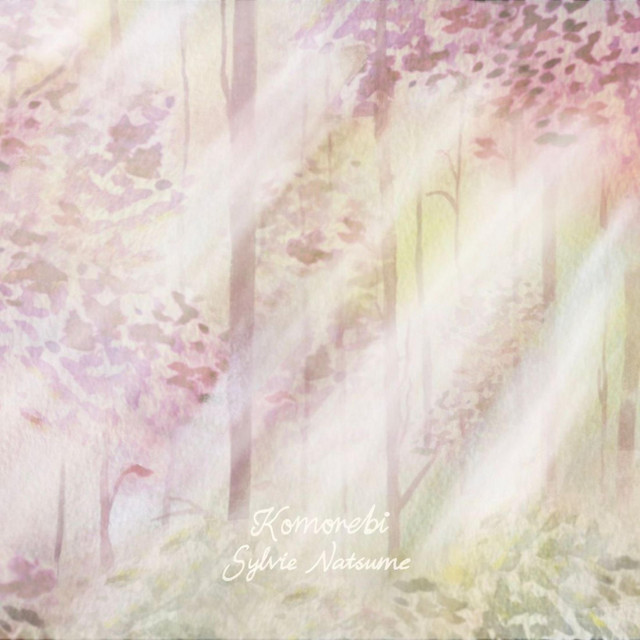
Originally penned for a piano trio, the record places lyrical piano writing at its centre while allowing bass and drums to become equal partners in conversation. Throughout the album, Sylvie;s influences bubble up through cinematic harmony, jazz improvisation and neo classical elegance, forming an expressive musical language that feels unified and highly personal. Spacious arrangements leave room for silence as much as sound, allowing individual notes and melodic phrases to breathe naturally before dissolving into the next musical idea.
Nature remains the project’s guiding presence from beginning to end, with every piece contributing another perspective on that central concept, creating an album that continually returns to themes of impermanence, reflection and quiet beauty. Opened by her debut single “Summerain,” the delicate flutter of twinkling piano notes casts a dreamy instrumental scene that flows with the gentle taps of percussion and pulse of bass to form a breezy jazz soundscape. Gliding with rustling drums and gathering energy, Sylvie’s stunning improvised leads dance atop the bouncy arrangement to deliver an epic display of her original sound and performance panache.
“Midnight Train” slows things down with mellow chords and lilting rhythmic sway, crafting an inviting sound that develops with shuffling rhythm and playful piano leads. Songs like “Silver Lining” showcase Sylvie’s knack for conveying feeling through instrumental composition with a grooving jazz jam that’s upbeat and optimistic while “Fuyuki” glides with dazzling elegance, capturing her musical vision in a graceful setting of soothing arrangement and intricate performance. With “Echoes,” a blend of bright melodies and jumpy staccato moments creates an engaging listening experience full of exciting ebb and flow before closing track “Weekend” delivers a superb finale of exquisite piano leads and stellar drum and bass performances.
Since its release, Komorebi has attracted attention across the UK music landscape with tracks from the album receiving three separate features on BBC Music Introducing across Leeds and Sheffield, while also earning a broadcast on BBC Radio 3 Unwind, accompanied by on-air introductions from the presenting team. The music has also found new life beyond the studio, with the release reimagined in concert during a special performance in Leeds on the 1st of April, where the original piano trio material was transformed for piano and string quartet.
We caught up with Sylvie Natsume to find out more about her musical journey so far, her debut album Komorebi and what she’s got lined up for the future. Check out our interview with Sylvie Natsume below.

Hey Sylvie, how’s things?
Hey! I’m doing great, thank you. I’ve been really busy working on new music and reflecting on everything since the release of Komorebi. It’s been an exciting time, and I’m really happy to be here chatting with you!
Which artists do you draw most inspiration from?
I’m inspired by artists who create strong emotional worlds through sound. Composers such as Takashi Yoshimatsu, Ryuichi Sakamoto, and Joe Hisaishi have influenced me through their ability to combine beautiful melodies, rich textures, and a strong sense of storytelling.
What do you love about the UK music scene?
What I love about the UK music scene is its diversity and openness. Coming from a background influenced by different musical traditions, I’ve found a space where I can explore and connect different languages rather than feeling limited by one genre. Over time, I’ve moved from studying and understanding different musical approaches to trusting my own voice and combining them in a more personal way.
This environment has allowed me to develop projects across different contexts – from my jazz fusion album Komorebi to my piano and string quartet concert Komorebi – where I can bring together elements of improvisation, traditional composition, jazz harmony, and contemporary techniques. I really value the freedom to explore these connections and discover new possibilities within my own work.
How has your own style and sound evolved since you started out?
Growing up in a multicultural region, I was surrounded by different musical traditions from an early age, which gave me a natural sensitivity towards different musical languages even before I started formal classical training. As I developed as a pianist, I continued exploring a wide range of styles by listening, transcribing, and studying different artists, while also playing as a keyboardist in bands across genres like jazz, funk, neo-soul, and folk.
During my studies, particularly through screen music and orchestral composition, I became more interested in how music can tell stories and create different atmospheres. I’ve always loved connecting different elements – the melodic beauty and structure of classical composition with the freedom of jazz improvisation, or the connection between visual images and sound. Rather than staying within one genre, I enjoy exploring the connections between different musical worlds and finding my own way to bring them together. Through this process of exploration and fusion, I’ve gradually developed a sound that that feels truly personal.
How did you find making your debut album ‘Komorebi’?
Making Komorebi was definitely a challenging but really enjoyable experience. It was my first time creating a complete album, so I learned a lot throughout the process. The writing came quite naturally, but the recording and mixing stages took a lot of time and patience. Working with musicians who had such high standards meant we were always saying ‘one more take’, but their dedication and skill helped us achieve the best result. I also spent many hours in the studio, tweaking sounds and refining the details. Looking back, it was a huge learning experience that helped me grow as both a composer and producer.

What message did you want to get across with this release?
With Komorebi, I wanted to create a musical diary – a collection of moments, places, and emotions that I experienced and transformed into sound.
Each piece captures a different memory: Midnight Train was inspired by a night journey from Edinburgh to London, where the changing landscapes outside the window became a metaphor for the shifting sections of the composition. Summerain came from a sudden summer storm by the river, where the contrast between intense rainfall and sunlight inspired the rhythmic energy and bright piano textures. Fuyuki was inspired by the image of a solitary tree standing in a vast field, enduring the quiet and harsh winds of winter. Other pieces were also created from small but meaningful moments in everyday life. I hope these moments can resonate with listeners.
What artist have you been listening to most recently?
Recently, I’ve been listening a lot to Dobrawa Czocher’s latest album State of Matter. I’m fascinated by her cello tone, which carries a beautiful sense of classical refinement, precision, and restraint. I love how she combines electronic and classical elements to create a distinctive musical voice, using different layers, arrangement techniques, and changes in density to shape the texture of the music. The production quality is also exceptional – as someone who works on screen scoring and production, I’d like to use this album as a reference for its beautiful balance of mixing and sonic detail.
What’s the main thing you want people to get out of listening to your music?
I hope people can simply enjoy the music. Perhaps they might see some of the images I try to paint through music, or be reminded of their own memories.
Do you have any advice for a new artist wanting to follow your footsteps?
I’m still a new artist myself, and I feel like I’m just getting started. The journey hasn’t always been easy as an independent artist, but it’s been really rewarding – not only musically, but also personally. I believe that our experiences and the way we see the world naturally shape the depth of our music. So the advice I would give myself – and anyone else on a similar journey – is to stay curious and genuine, keep a critical ear, trust the process, and continue to grow.
Finally, what do you have lined up next?
I’m currently working on new music and exploring new sounds. Recently, I’ve been experimenting with different recording methods and learning more about mixing and production. I’m excited to bring these ideas back into my compositions and see how they can shape my sound in new ways.
Listen to Komorebi below
More from Albums

New full-length record from Divergent
While some musical ambitions take a little longer to find their moment, the journey for Iowa-based trio Divergent has been …
New album from Ashot Danielyan
Based in Moscow, pianist, composer and improviser Ashot Danielyan has spent more than a decade developing a musical output that …

Bryan Howell returns with new studio album
Originally hailing from central New York and now based in Nashville, Bryan Howell has spent more than a decade developing …