















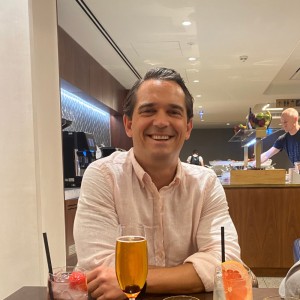




Scottish duo Post Coal Prom Queen, featuring the talents of Lily Higham and Gordon Johnstone, have earned a reputation for making highly original music while walking an artistic path paved by various different genres. Combining organic textures, retro futuristic synths, mechanical beats and distorted guitars with an ambitious pop touch, the pair have developed a unique sound shaped by Lily’s compelling vocals and a wide array of influences. Moving between trip hop, opera, choral music and electronic experimentation, their work has consistently found unexpected connections between styles, creating a musical output that feels at once adventurous and intricately formed.
Their growing profile has brought appearances on BBC Radio 1, BBC Radio 6 Music and BBC Radio Scotland, alongside television placements on Made In Chelsea and inclusion in the National Library of Scotland film Living Proof. They’ve also charted on Amazing Radio and attracted international acclaim, while live performances across the UK, Europe and North America have helped confirm their status as one of Scotland’s most intriguing and exciting musical acts.
Conceptual thinking has been a central pillar of the duo’s creative development, with their releases moving through different musical and thematic sphere, from the debut PCPQ EP to the concept rap record Music for Hypercapitalists and the post rock opera Music for First Contact. Now, following recent albums Transmission and I Keep My Atoms Numbered for Just Such An Occasion, they now turn their attention to an especially unusual subject with their fourth concept record Music for Nuclear Semiotics, also titled Ceòl airson Samhlaidhean Niùclasach.
The album takes its inspiration from nuclear semiotics, a field concerned with how warning messages and physical markers might prevent people from entering nuclear waste repositories thousands of years into the future. It’s a subject that raises questions about how a message can remain understandable for thousands of years, will the languages we speak still exist and can humanity create warnings that survive long after the people who designed them have disappeared?
The duo have chosen to place Scottish culture within an imagined distant future, exploring the possibility that traditions and stories might outlast the societies that first created them. Their decision to use Gaelic is especially significant given the language’s history of persecution and erasure, followed by its resurgence in the 21st century. If it’s endured through such profound changes, perhaps it could continue to carry meaning long after the present has passed.

To bring this idea into musical form, the band have enlisted four collaborators from Scotland’s Gaelic music scene, such as Josie Duncan, Evie Waddell, Alasdair Whyte and Colin Stone of Gaelic metalcore band Gun Ghaol. Their contributions make the record a bilingual undertaking, with Josie’s vocals sitting alongside Lily’s airy delivery on opening track “Water in my Hands,” where a hazy atmosphere of drifting instrumental textures gently expands with buzzing synth tones, lively guitar lines and marching percussive shots as alluring vocals flutter throughout.
“The Washerwoman” then lands with the swirl of woozy synth tones and flickering percussive elements before slipping into a mesmeric groove that glides with dreamy vocals and a shifting arrangement wrapped in immersive sound design. “Essence” floats into view with lilting synth lines as rustling percussive energy and Alasdair Whyte’s spoken word vocals combine, progressing with rising rhythmic energy and chanted vocalisations to present a truly transportive soundscape. Its traditional folk structure is set against intense electronic production, while its subject explores how place names preserve meaning across generations, sometimes carrying warnings based in Gaelic mythology.
Alasdair then contributes to “Post-Decline Stabilised State,” where distant vocals stutter through a static transmission as ominous swells of bass tones usher in an enveloping avant-garde scene. Colin Stone brings another contrast to “Fairy Witches,” combining the metalcore screams associated with his band with softer ambient passages of warm synth textures and rattling drums. Evie Waddell introduces both singing and Gaelic rap on “Where Are We?,” adding momentum to a track that moves between rumbling beats and moody psych vibes.
“Glowing Eyes,” featuring Josie’s second appearance, pairs skittering, footwork-influenced beats with shimmering synths and twinkling notes to craft an energising and wholly absorbing listening experience. Closing the release with “Speak Forever,” the brushed taps of drums form a loose groove while enticing vocal leads cast an enchanting sonic spell to conclude the record in spectacular fashion. By bringing Gaelic songwriting into this far-future setting, Post Coal Prom Queen connect questions of survival with the enduring power of language, music and shared stories, with Music for Nuclear Semiotics offering an emphatic continuation of their conceptual vision.
Listen to Music For Nuclear Semiotics below
More from Albums

INTERVIEW: Debut album from The DB Coopers
London-based newcomers The DB Coopers are a rock outfit who've found an unusual source of inspiration in one of …

Cole Lumpkin releases first live album
New York City-based musician Cole Lumpkin has built his creative output around the overlap between technical ambition and accessible songwriting. …
Debut full-length record from Enla Arboleda
Colombian singer-songwriter, multi-instrumentalist and producer Enla Arboleda has spent more than a decade exploring the relationship between music, memory, nature …