












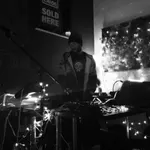

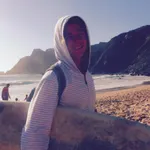
Hailing from Denmark, young DJ and music producer Gelida is ready to share his remarkable sound and skills. Following the recent inauguration of his brand-new studio and the dedicated work with his label Rever Records, this gifted music producer shows no signs of slowing down, recently releasing a hard-hitting EP titled Long Story Short where his talent and powerful sound are perfectly on display.
As he continues working on the next releases of the year, and producing new ideas and mighty hits, we invited Gelida to talk about his own creative process, what helps him find inspiration and what’s his workflow usually like. Check out our interview with Gelida below.
Hi Gelida! How are you?
Hello, thank you for having me, I am very good thanks! I’m quite busy nowadays, with a lot of stuff going on for 2023. It’s hectic, but in a very good way.
We want to know more about your creative process, where and how do you usually find inspiration?
There are some different ways I can get inspiration. Sometimes, I can sit in the studio and only listen to drops of all kinds of genres for an hour. That gives me a huge amount of inspiration and creativity. Every Friday, I’m searching for new music on different platforms and listen to it, to see what’s the new cool stuff.
What other activities, besides making music, help you get inspired?
A really good source of inspiration and new creativity for me, is coming from sports. I love to workout at the gym or take a run. When I’m active, I’m clearing my head from everything, and then I’m back in the studio, I got renewed energy and creativity to continue something I’m working on, or start a whole new idea. This is very important for me, to keep being active, because I’m sitting down a lot every day in the studio, and if I’m not getting my blood pumped or clearing my head, I won’t be as creative as I normally am.
Do you usually follow the same formula or process when producing a track?
I do, but I have my routines in different genres. For instance, if I do a Big Room, Rave Room, Future Rave, or any other huge genre, I always start by making a drop. However, if I do Future Bass, Deep House, Pop etc. I start from the beginning. Could be a guitar, piano or any other instrument. Another way to say it is, when I do vocal tracks, I start from the beginning and if I do an instrumental, I start with the drop.
Is there a part of a track that’s your favourite to work on?
The drop, the reason for that is that the drop is the climax, which is many people’s favourite part, so if I can come up with a very good drop, it makes me work harder on the rest of the track!
Does technology play a role in helping you with your creative processes? If so, how?
Since I started producing music, I have had 3 different studio setups it’s been fine to work on, but I must say that since me and my business partner decided to start our own record label (Rever Records) and build our own professional studio, it has been a BIG game changer for me! We have managed to create the best environment for me, with great interior design and the right amount of acoustics. With this new studio setup, I achieved so much when it comes to my sound design, the mixing and mastering, and the amount of time I can sit in the studio listening to music before my ears and head get tired. My studio is the place where I spend most time every single day, and for me it’s very important to have a comfortable environment which keeps me inspired and relaxed. You can see my complete studio setup on my Instagram page, on the highlight button (Studio), it’s worth taking some time to look at. We build the whole thing by ourselves, and we are proud of the outcome.
Have you changed something in your workflow recently?
I have, since me and my partner launched our own record label, I have done a timeline, which shows when every single track is being released. So now, I’m not as stressed as I was before. I know what to work on and when! That is a huge relief and makes a big difference!
What has been the best change or implementation you made to your workflow in music production or in your creative process in the past year and how has that changed the way you make music?
I must say the timeline! It gives a perfect overview of which tracks you should focus on, which is so comforting. Before that, I didn’t know when a track would be released or if it even should be released. I just kept making new ideas and new tracks all the time, without finishing a bunch of them, just like many other fellow artists.
What do you do to help you overcome any struggles while producing a track?
If I struggle to come up with an idea, I take a break from the track and leave it as it is for some days, or even weeks. I want the idea to come naturally, and not force it. But if I struggle with the mix, I even keep working until I am satisfied, find a new sound, or leave it for days. A break from it does almost always help.
What would you say is the most important thing to keep in mind when starting a new creative project?
I think the most important thing is to have a clear idea of how the result should be. If you are focusing too much just to finish the track, then you don’t let the creative flow and process guide you through the struggles you could meet on your way. Things can change a lot, before it’s even a good enough track, and that’s how it should be. Quality over quantity.
Listen to Long Story Short below
More from Interviews
INTERVIEW: TATE SEDAR drops “Take It All Back”
Born in San Francisco, raised in London and now based in Los Angeles, TATE SEDAR has spent much of his …
INTERVIEW: Cinematic conceptual album from INYO
Coming out of Los Angeles, newcomer INYO is an artist whose musical vision is informed by a desire to explore …
INTERVIEW: Brand new single from Thomas Azier
Dutch singer, composer and producer Thomas Azier has spent the last twelve years making an impression in the European music …